Hi, I'm Ahmad Shah Mohibi.
I was born in Afghanistan, but most of my adult life has been about work, people and building: U.S. public service, international affairs, nonprofits, media, business, technology and projects of my own. Some people know me as WarGuy. Here is how those pieces came together, and why people bring me their problems.
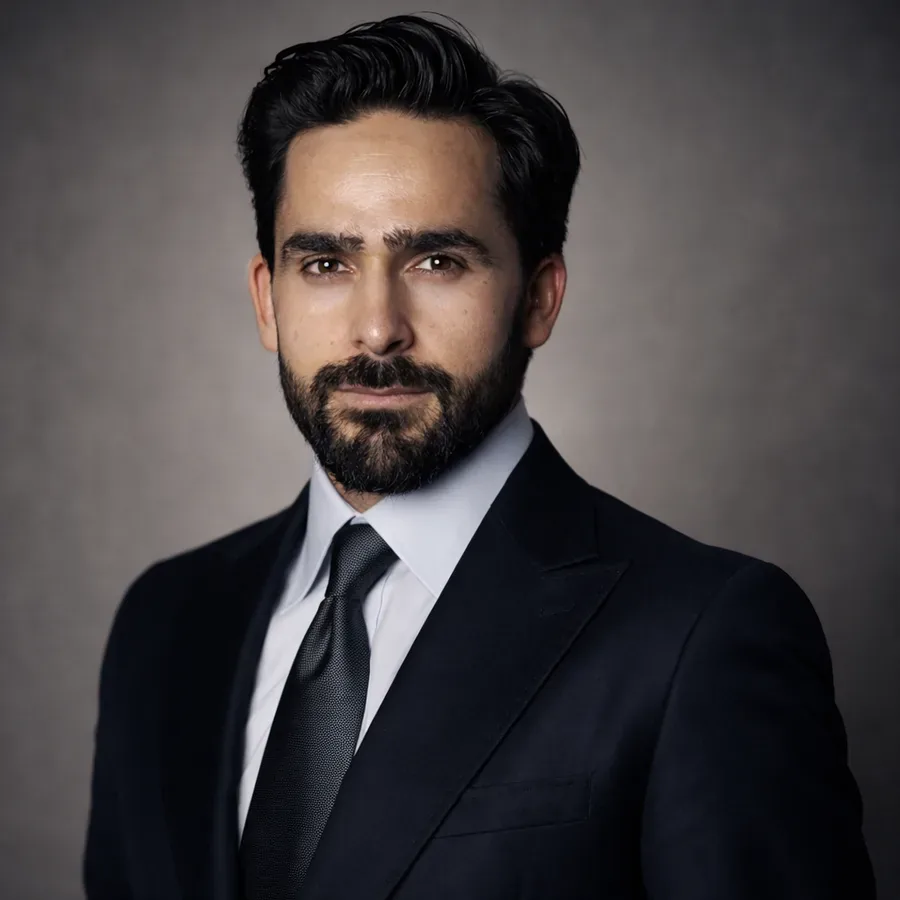
I was born in Afghanistan. War was part of the environment before I understood the politics.
I grew up in a place where instability could shape ordinary decisions. Electricity was not something I assumed would always be there. Food, travel and safety could depend on circumstances a child did not control. War was not a television image. It was part of the environment around family, school, roads and everyday life.
That experience stayed with me, but I do not want it to become the only way people understand me. Afghanistan explains the beginning. It does not explain everything that followed.
My work eventually took me from seeing institutions from the outside to working inside and alongside them.
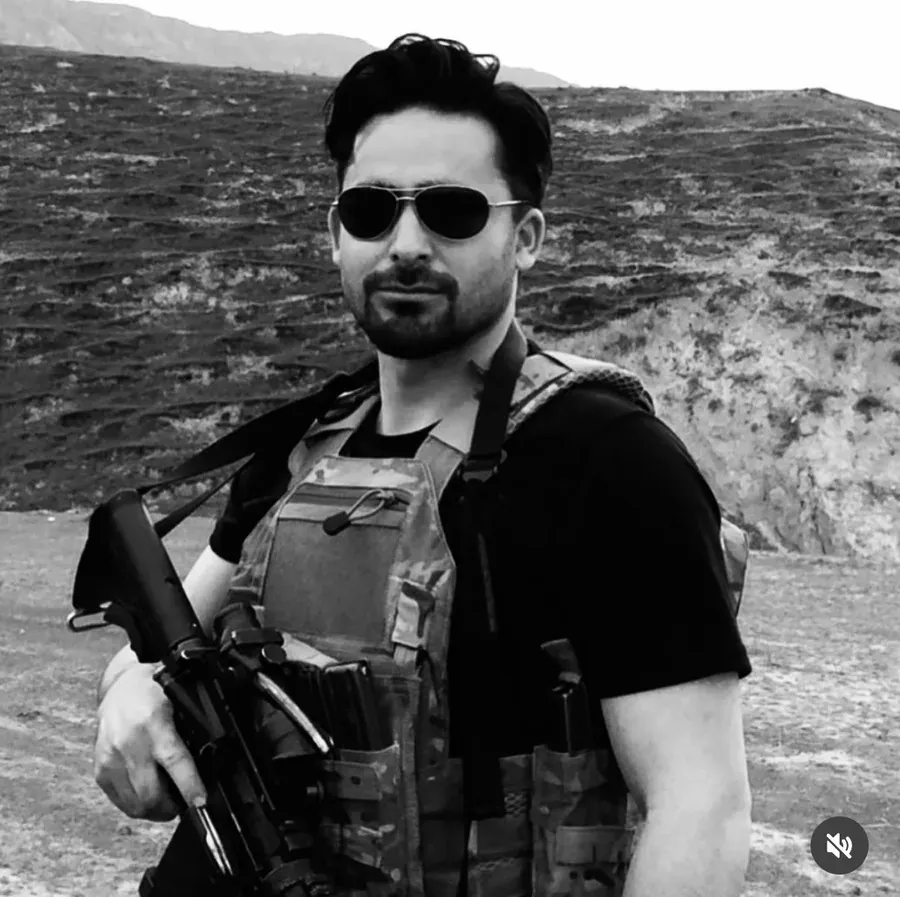
I began working alongside Americans while I was young. Over time, that became a much larger chapter of my life. I worked in and around U.S. federal service, supporting work connected to diplomacy, national security, military efforts, international programs, operations and public service, including the Departments of State, Defense and Justice.
I learned that large institutions are never as simple as they look from the outside. Policies become programs. Programs become decisions. Decisions eventually reach real people. That is one reason I still care about the human side of government and public service: a briefing may be abstract, but the consequence rarely is.
Years of public-service work also taught me how to operate in complicated environments: different agencies, different missions, competing priorities, deadlines, partners, vendors, senior leaders and people in the field all trying to move the same thing forward from different angles.
The work stopped belonging to one country a long time ago.
My career has put me around people, projects and institutions across different countries and regions. I have worked with government officials, analysts, nonprofit teams, business people, researchers, community leaders, media organizations and partners who see the same problem from completely different cultural and professional perspectives.
I enjoy that kind of work. Sometimes the useful part is strategy. Sometimes it is an introduction. Sometimes it is simply helping two groups understand each other well enough to move forward.
That is also why I am drawn to international affairs. The headline is almost never the whole story. Relationships, history, incentives, personalities, institutions and local realities matter.
I learned early that people matter as much as the plan.
From a young age, I worked alongside international teams, military partners and people from different cultures in complex multinational environments. I learned that a good plan is not enough if people do not understand or trust one another.
Over the years people gave me a few funny nicknames: a "Swiss knife", a "social doctor", and a few others I am happy to leave off a formal biography. I never used those nicknames as titles, but I understood what people meant. I have always liked connecting people and helping make a difficult situation a little easier.
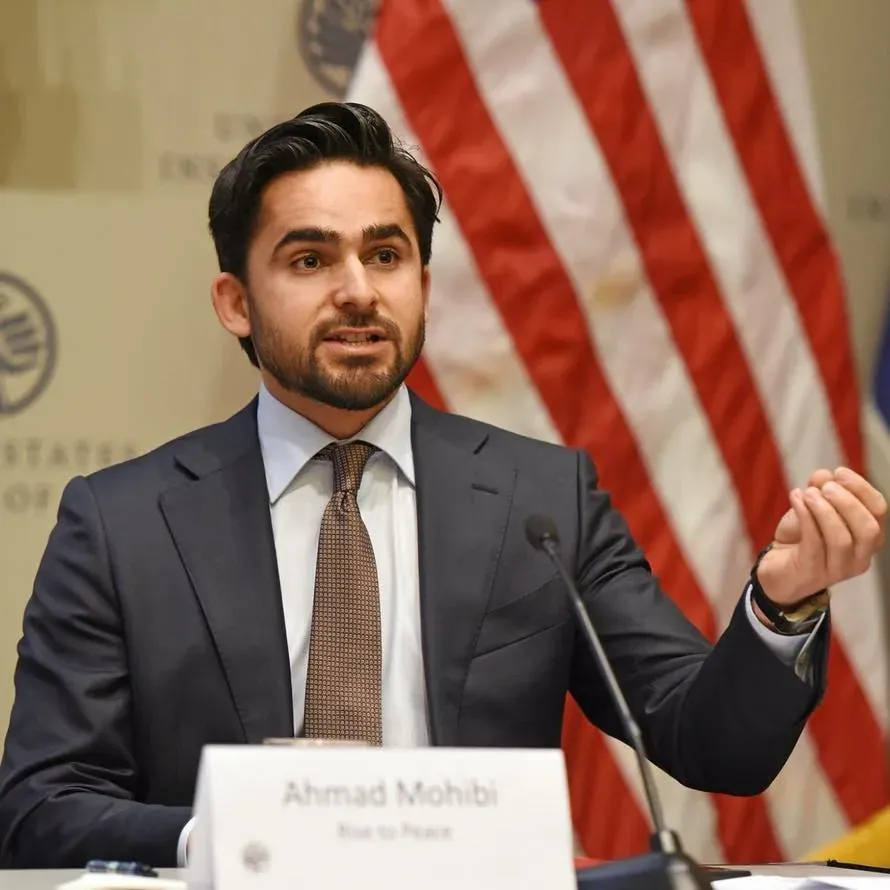
That instinct eventually showed up in Rise to Peace. It brought researchers, students, practitioners and communities together across borders. The part I care about most is the people who found each other through the work.
I have always liked building things and learning by doing.
I have always been curious enough to try more than one kind of work. Alongside government work, I built nonprofit, advisory and community projects. Some worked. Some did not. Most taught me something.
Rise to Peace grew from a simple idea: if hate, extremism and terrorism spread through people and ideas, then education, research, dialogue and human connection have to be part of the answer. What began as an idea grew into an organization with people contributing from many countries.
My advisory work grew from another part of my personality: I like relationships, partnerships and helping people move an idea from "we should do something" to something concrete. The work can involve strategy, international opportunities, government, business development, partnerships or simply finding the right people around a problem.
Different sectors taught me different ways of working.
I have worked across public service, nonprofits and the private sector, and I like what happens when lessons move between them. Government taught me responsibility and process. Business taught me speed and the cost of unnecessary complexity. Nonprofits taught me how much people can build when they care about the mission.
My advisory work sits somewhere in the middle. People come to me with a problem, an idea, a market, a partnership, a government question, an international challenge, a technology decision or a situation that simply feels stuck. I ask questions, connect dots, make introductions where appropriate and help turn the problem into something that can be acted on.
For years, part of my work has been explaining difficult events in ordinary language.
I have appeared on television, radio and podcasts, and in public conversations, discussing international affairs, Afghanistan, terrorism, national security, conflict, diplomacy and major events as they unfold. Networks have introduced me on air as a former U.S. counterterrorism adviser.
I enjoy analysis, but I am most interested in context. Why is this happening? What does the headline leave out? What does a decision look like to the person living with it? Where does history matter? Where are people talking past one another?
That is the same approach I bring to speaking. I would rather explain what I know, be clear about what I do not know and leave room for a real conversation.
I remember life without reliable electricity. Now AI is part of my everyday work.
That distance still fascinates me. I have always liked tools that make work easier, clearer or faster. Technology became part of how I research, organize information, build projects, communicate and solve problems.
AI has made that curiosity even stronger. I use it and experiment with it often, not because every problem needs AI, but because I like learning what these tools can actually make easier, faster or better.
It also gives me a strange personal reference point. In one lifetime I have experienced environments where basic infrastructure could not be taken for granted and a world where software can reason through complex information in seconds. That makes technological change feel less abstract to me.
The name came from the beginning of the story, not the end of it.
WarGuy became the title of my memoir because war was present before I chose the name. It shaped where I was born, where my family moved, some of the work I did and many of the questions I still think about.
But I do not use the name to celebrate war. I use it because it is honest about the beginning. The book gave me a place to tell the longer story. The podcast gives me room to keep the conversation going. The music is another experiment in telling the same story differently.
It may sound like a strange name for someone who cares so much about peace. That is part of the story.
These days I speak, advise, build, write and keep learning.
Today, I bring these different chapters together rather than pretending they are separate careers. I speak to conferences, organizations and public audiences. I join news and media conversations. I advise on complicated problems. I work on partnerships and projects. I write, build and experiment with technology.
When I speak or advise, I try to stay close to what I actually know: public service, international work, nonprofit leadership, media, entrepreneurship, technology, war and peace, and the people behind all of it.
I do not think the lesson of my life is "overcome adversity." That feels too neat. My life has been messier than that. If there is a thread, it is probably this: keep learning, keep building, and try to be useful.
A few moments along the way.

If I can be useful, let's talk.
Speaking, media, advisory, partnerships or something unusual. Tell me what you are trying to do. I read the requests myself.